
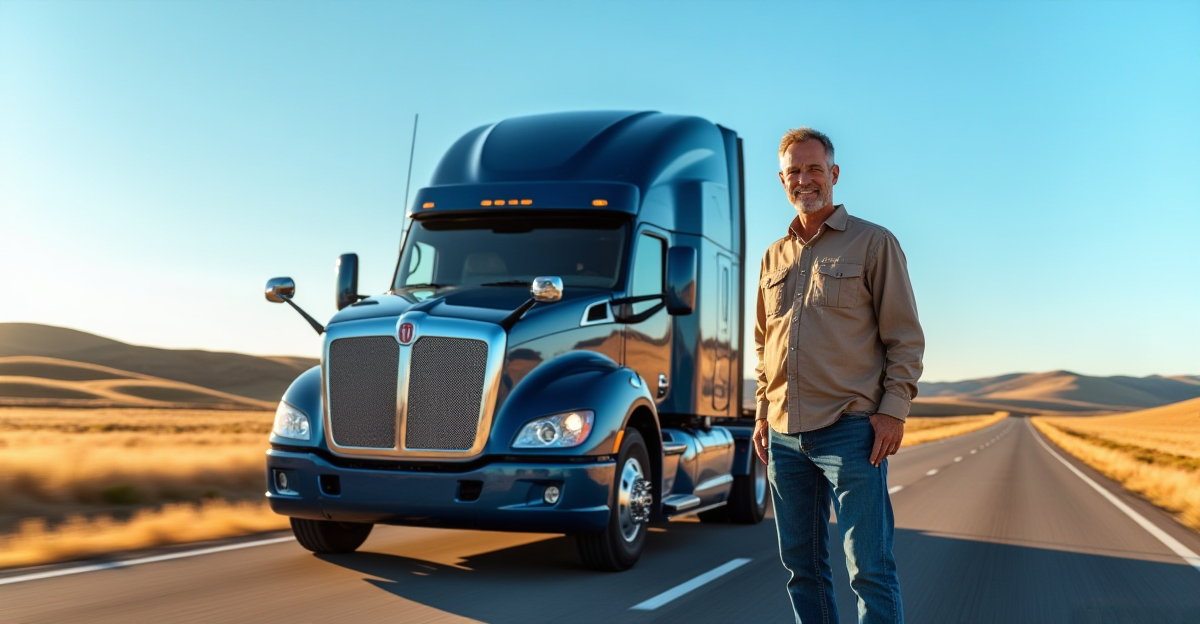
Commercial truck insurance is a critical aspect of operating within the transportation industry, offering essential coverage that protects owner-operators and their valuable assets.
As the landscape of commercial truck insurance evolves, understanding the factors that influence costs in 2026 becomes increasingly important for those looking to optimize their expenses.
With rising fuel prices and regulatory changes on the horizon, owner-operators must stay informed about what to expect when it comes to premiums and coverage options.
This blog post delves into the intricacies of commercial truck insurance costs, shedding light on how much owner-operators should realistically budget for their insurance needs.
By exploring key elements such as industry trends and risk factors, it becomes easier for owner-operators to make informed decisions that will safeguard their businesses while keeping costs manageable.
Table of Contents
ToggleKey Takeaways
- Cost Overview: The average expense for commercial truck insurance in 2026 is projected to see significant fluctuations due to factors such as market conditions and regulatory changes.
- Coverage Types: Owner-operators should evaluate various coverage options including liability insurance, cargo insurance, and physical damage coverage to ensure comprehensive protection.
- Risk Assessment: Insurance premiums will increasingly depend on the assessment of driving history and safety records, emphasizing the importance of maintaining a clean driving record.
- Discount Opportunities: By implementing safety measures and enrolling in industry-specific training, owner-operators may qualify for substantial premium discounts that can lower overall costs.
- Market Trends: Staying informed about market trends and economic indicators is crucial for owner-operators to anticipate changes in insurance rates and make informed budgetary decisions.
Understanding Commercial Truck Insurance Basics for 2026
Commercial truck insurance is essential for owner-operators to safeguard their investments and ensure compliance with legal regulations.
This type of insurance typically covers liability, cargo, and physical damage, providing a comprehensive safety net for truck operators.
Understanding the various components of coverage, like minimum required limits and optional add-ons, is crucial for making informed decisions regarding premiums and claims.
“In a rapidly evolving transportation landscape, understanding the nuances of commercial truck insurance can considerably impact operational costs and overall viability.”
– Jennifer Lee, Insurance Analyst
For example, choosing higher deductibles could lower monthly premiums but lead to larger out-of-pocket expenses during claims.
Seeking guidance from resources like the Life Insurance Guide can also broaden financial knowledge and help owner-operators make sound decisions.
By comparing multiple quotes and policy offerings, owners can secure better premiums suited to their specific business needs.
Understanding Liability Coverage in Commercial Truck Insurance
Liability coverage is a critical component of commercial truck insurance, protecting businesses from claims arising due to accidents.
For instance, if a truck driver causes an accident resulting in injury or property damage, liability insurance helps cover the associated costs, including legal fees and settlements.
This coverage is vital, as it ensures the financial stability of the business while complying with state regulations.
Depending on the policy, liability coverage can also extend to bodily injury and property damage, safeguarding the company’s assets.
Companies should carefully assess their liability needs based on their operations and risk exposure to ensure adequate protection.
Understanding Liability Coverage in Commercial Truck Insurance
Liability coverage is a crucial component of commercial truck insurance, protecting businesses from financial losses due to accidents or injuries involving their vehicles.
This insurance typically covers two main types: bodily injury liability and property damage liability.
For instance, if a commercial truck is involved in an accident that injures another driver, liability coverage will cover medical expenses and legal fees, thereby safeguarding the business’s financial health.
Additionally, property damage liability will help pay for repairs to any damaged property.
Without adequate liability coverage, a company can face devastating costs that may threaten its viability.
Key Factors Influencing Commercial Truck Insurance Costs in 2026
Several key factors are set to influence commercial truck insurance costs in 2026.
Primarily, the truck’s age and model play a crucial role; newer models often incur higher premiums due to advanced technology and safety features.
Additionally, the mileage driven significantly impacts rates, as more miles can lead to increased risk.
| Factor | Impact on Cost |
|---|---|
| Truck Age | Newer trucks may have higher premiums. |
| Mileage | Higher mileage typically results in elevated rates. |
| Driver Experience | Experienced drivers often receive lower rates. |
| Location | Certain areas may have higher risks, affecting premiums. |
These considerations should encourage owner-operators to evaluate their insurance options carefully.
For instance, taking a comprehensive approach can yield long-term savings.
Moreover, exploring other insurance types, including Life Insurance Term, can further enhance financial stability.
While understanding these factors, it becomes clear that tailored strategies can effectively manage commercial truck insurance costs moving forward.
Understanding Factors Influencing Commercial Truck Insurance Rates
Commercial truck insurance rates can be significantly influenced by various factors.
The type of cargo being transported is a primary consideration, as hazardous materials typically attract higher premiums due to increased risk.
Additionally, the driving experience of the operators is critical; trucks operated by seasoned drivers generally receive lower rates compared to those driven by less experienced personnel.
Moreover, geographical location plays a vital role, with areas prone to accidents or theft facing higher costs.
Understanding these factors can help businesses make informed decisions, ultimately leading to adequate coverage that is both effective and affordable.
Understanding Liability Coverage in Commercial Truck Insurance
Liability coverage is a crucial component of commercial truck insurance that protects the business from legal liabilities arising from accidents.
If a truck damages property or causes injury during operations, liability insurance can cover legal fees and damages awarded in a court case.
For example, if a driver is involved in a collision that injures another motorist, this coverage will help pay for medical expenses and repair costs.
Furthermore, this type of insurance is often required by law to operate commercial vehicles, ensuring that both the business and the public are financially protected in the event of unforeseen incidents.
How to Calculate and Compare Commercial Truck Insurance Premiums
Calculating and comparing commercial truck insurance premiums involves understanding several key factors that influence cost.
Owner-operators should assess their unique needs, including the type of truck, mileage, and cargo type.
Obtaining quotes from multiple insurers allows for a direct comparison.
For instance, premium rates may vary based on the truck’s age or driving history.
Consider factors such as liability coverage, comprehensive coverage, and physical damage coverage when evaluating policies.
A thorough analysis can reveal the best option tailored to individual requirements.
Exploring additional resources can also enhance understanding; for example, visiting Life Insurance Tips offers insights that can equally apply to commercial insurance.
Additionally, review important elements such as:
- Coverage limits
- Deductibles
- Discount opportunities
- Claims process
- Customer service ratings
By carefully considering these aspects, owner-operators can make well-informed decisions that ensure appropriate coverage at a competitive cost.
Types of Coverage in Commercial Truck Insurance
Various types of coverage options exist within commercial truck insurance, tailored to meet specific operational needs.
For example, liability coverage is essential, as it protects against claims for bodily injury or property damage resulting from truck operations.
Additionally, cargo insurance is critical for businesses transporting goods, safeguarding against losses from theft or damage.
Another important aspect is physical damage coverage, which includes collision and comprehensive options, protecting the truck from accidents and environmental hazards.
Understanding these various types can help businesses select the appropriate policies, ensuring they maintain compliance while minimizing risks.
Understanding Coverage Options in Commercial Truck Insurance
When selecting commercial truck insurance, understanding the various coverage options is crucial.
Policyholders can choose from several types of coverage, including liability, physical damage, and cargo insurance.
For instance, liability coverage is essential for protecting against damages caused to third parties in an accident.
Physical damage coverage, on the other hand, safeguards the truck itself from incidents like theft or collisions.
Additionally, cargo insurance covers the goods being transported, which is particularly important for businesses dealing with valuable shipments.
Evaluating these options based on specific business needs ensures comprehensive protection and minimizes potential financial losses.
Navigating Coverage Options: Essential Tips for Owner-Operators
Understanding the diverse offerings in commercial truck insurance is vital for owner-operators aiming to protect their livelihood.
Begin by assessing the unique needs of the business.
For instance, an owner-operator focusing on long-haul trucking may require different coverage compared to someone transporting goods locally.
Comprehensive coverage options often include liability, cargo, and physical damage protection tailored to specific risks.
Next, consider bundling policies for potential savings.
Many insurers offer discounts for combining multiple lines of coverage, which can significantly reduce costs.
Owner-operators should also compare quotes from various providers to ensure they are getting competitive rates.
For example, one operator found that switching carriers reduced their premiums by up to 30% while maintaining adequate coverage.
Finally, regularly review coverage limits and adjust them based on changing needs to avoid gaps in protection.
Staying informed about new regulations and market trends can also help owner-operators make better insurance decisions.
Evaluating Coverage Options in Commercial Truck Insurance
When selecting a policy for commercial truck insurance, it is crucial to assess specific coverage options to ensure optimal protection.
Liability coverage is typically required by law, providing financial protection against claims resulting from accidents where the insured truck is at fault.
Collision coverage, on the other hand, covers damage to the vehicle itself, regardless of fault, which is essential for managing repair costs.
Additionally, comprehensive coverage protects against non-collision incidents, such as theft or vandalism, safeguarding the investment made in these vehicles.
Understanding these various types of coverage can significantly impact risks and enhance overall security for operators.
Understanding Liability Coverage in Commercial Truck Insurance
Liability coverage is a fundamental component of commercial truck insurance that protects businesses from financial losses due to accidents.
For instance, if a truck driver causes an accident resulting in bodily injury or property damage, liability coverage will cover the costs associated with these claims.
This type of insurance is mandatory in most jurisdictions and varies based on the weight and type of vehicle.
Furthermore, the level of coverage can significantly impact the premium rates paid by the business.
Understanding these nuances helps fleet owners choose appropriate policies that align with their operational risks and budget.
Common Mistakes to Avoid When Selecting Commercial Truck Insurance
Selecting the right commercial truck insurance is critical, yet many owner-operators make common mistakes that can lead to inadequate coverage.
One frequent error is underestimating the amount of coverage needed.
Many simply choose the minimum requirements dictated by law, ignoring potential risks that could lead to significant financial losses.
For instance, a simple accident can cost thousands in repairs or legal fees that minimal coverage wouldn’t fully address.
Another mistake is neglecting to evaluate the different types of policies available.
Owner-operators often overlook specialized coverage options that suit their specific needs, such as cargo insurance or general liability.
Conducting thorough research and seeking expert advice can help avoid these pitfalls.
By understanding the scope of necessary protections, owner-operators can secure the most beneficial options without facing costly surprises down the road.
Key Considerations When Selecting Commercial Truck Insurance
Choosing the right commercial truck insurance requires evaluating specific coverage options tailored to business needs.
Businesses often must consider liability coverage, which protects against claims of bodily injury or property damage resulting from truck operations.
Additionally, comprehensive coverage addresses risks from non-collision incidents, such as theft or vandalism.
Determining the appropriate limits is essential; insufficient coverage could lead to significant losses.
Review the policy for any exclusions, such as personal use restrictions or geographical limitations, which can impact the validity of claims.
Understanding these nuances ensures businesses remain protected and can operate effectively in various situations.
Understanding the Types of Commercial Truck Insurance Policies
Choosing the right type of commercial truck insurance is crucial for protecting a business’s assets and operations.
Various policies are designed to meet specific needs, such as liability coverage, which protects against claims resulting from accidents or damage caused by a driver.
Additionally, cargo insurance is essential, covering potential losses of the goods being transported, which can significantly impact the bottom line.
Another important option is physical damage coverage, which safeguards against theft or damage to the truck itself.
Evaluating these options based on operational demands can ensure that commercial truck insurance effectively mitigates potential risks.
Conclusion
In conclusion, understanding the impending shifts in commercial truck insurance costs for 2026 is essential for owner-operators looking to navigate this complex landscape.
As we’ve explored, factors such as increased regulatory measures, advancements in technology, and the evolving nature of risk all play pivotal roles in determining insurance premiums.
It is crucial for owner-operators to conduct thorough research, compare quotes from various insurers, and consider industry-specific coverage options that align with their unique operational needs.
Moreover, prioritizing risk management strategies—such as investing in maintenance and driver training—can significantly impact insurance rates and overall safety on the road.
By proactively managing these factors, owner-operators can position themselves to secure the best possible coverage at favorable rates.
As you prepare for the insurance landscape of 2026, reflect on how your business practices can evolve to reduce costs while enhancing protection.
Are there steps you can take today to better prepare for tomorrow’s challenges in commercial trucking insurance?
Take action now, and lay the groundwork for a more secured and cost-effective future in your trucking endeavors.
Frequently Asked Questions
What factors influence the cost of commercial truck insurance?
The cost of commercial truck insurance is influenced by several factors, including the type of vehicle, the driving history of the operator, the type of cargo being transported, and the geographical area of operation.
Other considerations include the coverage limits chosen and the deductible amounts.
Insurers assess these elements to determine risk and set appropriate premium rates.
How can owner-operators reduce their insurance costs?
Owner-operators can lower their commercial truck insurance costs by maintaining a clean driving record, completing safety and training programs, and increasing deductibles.
Additionally, bundling insurance policies or shopping around for competitive quotes can help.
Regularly reviewing coverage needs and removing unnecessary insurance features also aids in managing and potentially reducing overall costs.
What types of coverage should owner-operators consider?
Owner-operators should consider several types of coverage, including liability, comprehensive, and collision insurance.
Liability coverage protects against damages to others, while comprehensive covers non-collision incidents like theft or natural disasters.
Additionally, cargo insurance is vital to safeguard the freight being transported, and uninsured motorist coverage can provide extra protection in case of an accident with an at-fault driver.
Are there any discounts available for owner-operators?
Many insurance providers offer discounts for owner-operators.
Common discounts include those for safe driving records, multiple policies (like home or personal vehicle insurance), and completion of defensive driving courses.
Additionally, frequent and long-term customer relationships can lead to lower premiums.
Always inquire about available discounts when seeking quotes or renewing policies.
How does the type of trucking business affect insurance rates?
The nature of the trucking business plays a significant role in determining insurance rates.
Businesses involved in high-risk activities, such as transporting hazardous materials, typically face higher premiums compared to those in less risky fields.
Furthermore, the freight’s weight and value also influence costs, as higher value or heavier loads pose greater financial risk to insurers.
What is the average cost of commercial truck insurance in 2026?
The average cost of commercial truck insurance in 2026 can vary widely based on numerous factors, but estimates suggest premiums may range between $8,000 to $12,000 annually for owner-operators.
Factors like the type of cargo, driving history, and coverage limits will heavily impact this average.
It’s essential to obtain personalized quotes to understand potential amounts tailored to specific needs.
What should new owner-operators know about insurance?
New owner-operators should prioritize understanding their insurance needs and relevant legislation.
Familiarize yourself with various coverage options and choose a policy that provides adequate protection without over-insurance.
It’s also wise to work with an experienced insurance broker who specializes in commercial vehicles to navigate the complexities of insurance and find suitable options for your situation.
How often should owner-operators review their insurance policies?
Owner-operators should review their insurance policies at least annually or whenever there are significant changes in their business operations.
Changes such as acquiring new vehicles, adjusting cargo types, or moving to different areas can impact coverage needs.
Regular reviews ensure policies remain up-to-date and aligned with current business requirements, potentially helping to optimize costs and coverage effectiveness.
📌 Sources & Further Reading
[Source 1:] Truckinginfo – Overview of projected trends in commercial truck insurance costs for the upcoming years.
[Source 2:] Insurance Business America – Guide detailing the factors impacting commercial truck insurance rates.
[Source 3:] U.S. Small Business Administration – Useful insights for owner-operators on obtaining commercial truck insurance.